
Your Pigeon Forge Passport to Savings: The Free Way to...
Explore the collection of 90+ exclusive mobile coupons to save on things to do, places to stay, and...

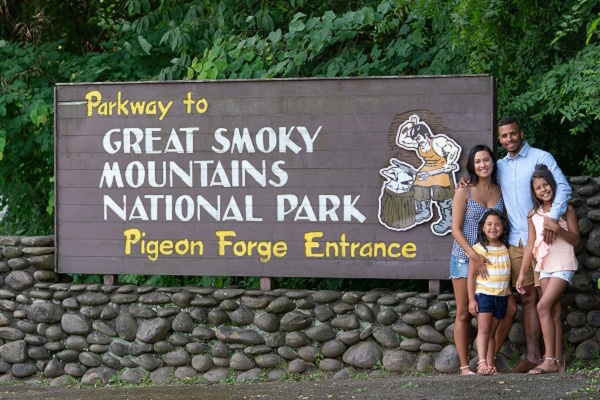
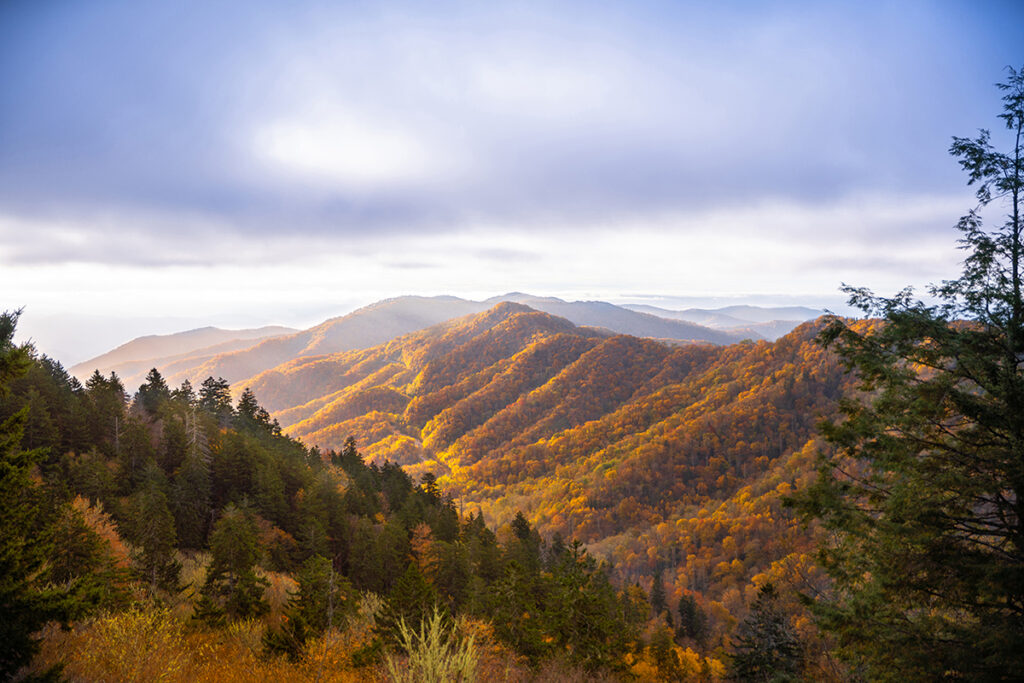
The Smoky Mountains you came to see are just down the road. Travel south of Pigeon Forge, and you’re in Great Smoky Mountains National Park, the most-visited national park in the United States, with waterfalls to hike, quiet roads to drive, and black bears to spot from a safe distance. You don’t have to plan it from scratch. This guide shows you where to go and how much time you need for your visit in the Smokies.
Pigeon Forge is a mountain resort city in Sevier County and a gateway to Great Smoky Mountains National Park. With the park about 5 miles south of town, you can spot the mountain ridgelines from the Parkway.
You won’t need directions for the first stretch. US Highway 441 runs through the middle of town and leads to the main park entrances. Stay on it, and Newfound Gap is about 24 miles from Pigeon Forge.
The National Park dates to June 15, 1934. The southern Appalachian history it protects goes back much further. Paleo-Indians lived here in prehistoric times, European settlers arrived in the 18th century, and loggers and the Civilian Conservation Corps followed.
A sunny morning in Pigeon Forge doesn’t mean a sunny morning in the park; mountain weather can be very different. Look at the mountain forecast before you leave, and keep the park map handy.


Make your Pigeon Forge adventure even more affordable with our free digital coupons. Download savings on attractions, dining, shopping, and more right to your phone—no clipping required.


Explore the collection of 90+ exclusive mobile coupons to save on things to do, places to stay, and...
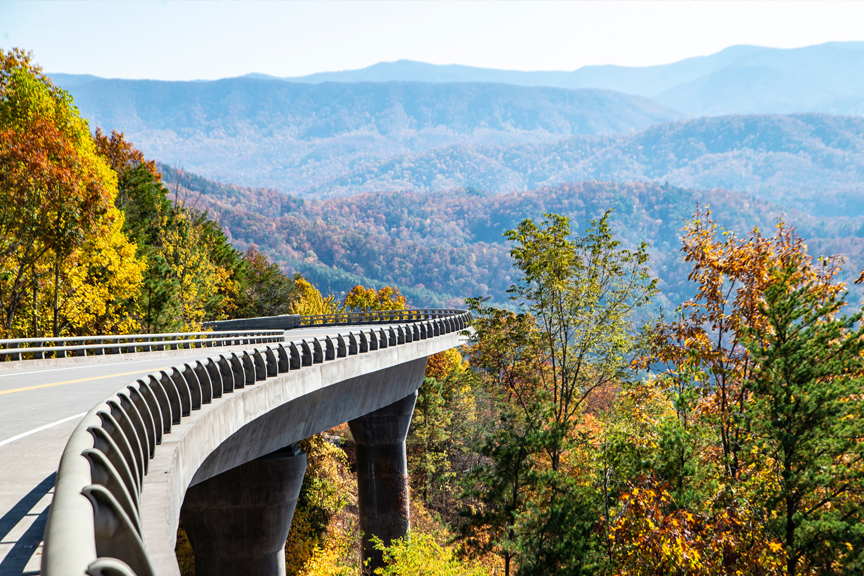
Discover some of the best scenic drives in Great Smoky Mountains National Park to view fall colors on...
From amazing colors at scenic overlooks to those along the park’s hiking trails, here the best spots to...

From guided bus tours to horse-drawn carriage rides, discover the best ways to tour Pigeon Forge and make...

Walk the free 6.4-mile Pigeon Forge Riverwalk Trail along the Little Pigeon River. Get parking, walking distances, access...

From scenic overlooks with panoramic views to fishing streams, scenic drives, and waterfall hiking trails, explore the best...
The Smoky Mountains are a mountain range on the border between North Carolina and Tennessee. They’re part of the southern Appalachian Mountains in the eastern United States. Great Smoky Mountains National Park protects more than 520,000 acres of the range, and its Tennessee side reaches into Sevier County, home to Pigeon Forge.
It depends on what you want to see. Spring brings wildflowers, late May and early June bring synchronous fireflies, and September through mid-November brings cooler weather. Fall colors usually peak in mid- to late October. Winter is quieter, but the roads to Kuwohi and Roaring Fork close for the season. Temperatures can swing 10 to 20 degrees between the mountain base and the peak, so dress in layers.
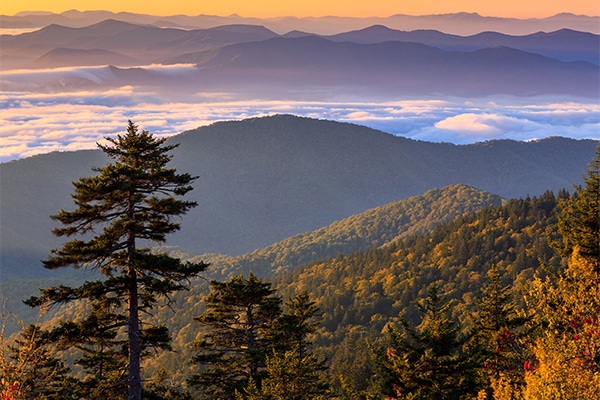
The name comes from the blue, smoke-like mist that surrounds the peaks. Under that mist, the mountains are 95 percent forest, with habitat for over 1,650 flowering plants, 100 native trees and more than 100 native shrubs. It’s also one of the largest protected areas of land in the eastern United States.
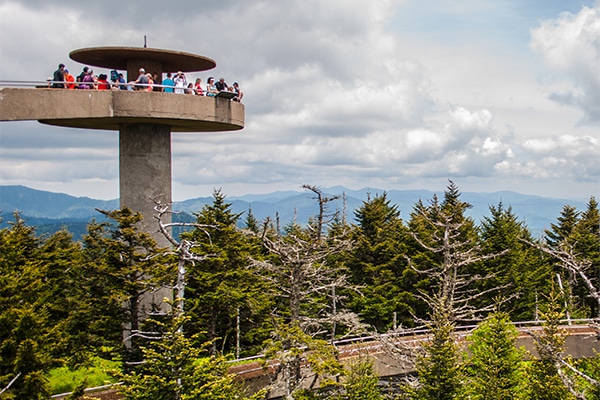
Yes, on a clear day. From the top of the Kuwohi Lookout Tower, the view stretches over 100 miles and into seven states. Summer haze can limit that view, so check the weather before you make the drive.
Great Smoky Mountains National Park’s entrance is free, but any stop longer than 15 minutes requires a parking tag. However, driving through or briefly pulling over at an overlook does not require a parking tag. You can get a daily, weekly, or annual tag, and it’s simpler to buy your parking tag online before you leave home.
Pigeon Forge has cabins, hotels, condos, resorts, and campgrounds within a short drive of the park. Choose a cabin for a quieter mountain stay, or stay along the Parkway to be close to the town’s attractions. Browse Pigeon Forge lodging, or see pet-friendly lodging if your dog is coming along.
Sign up for the e-Newsletter to get access to specials, event updates and more!
Use our annual Travel Guide to help build your family trip, romantic getaway, or a fun friends' weekend.
Order Guide