Great Smoky Mountains National Park offers a wide range of outdoor activities for those looking to explore the area’s natural beauty. From more than 800 miles of hiking trails to 10 developed campgrounds and enough scenic drives, waterfalls, and wildlife-viewing spots to fill several trips, visitors of all ages can discover Smoky Mountain experiences year-round.
Spend a morning on a scenic drive, tour historic sites in the afternoon, and enjoy a picnic lunch in the evening surrounded by vibrant wildflowers carpeting the forest floor. If you’d rather slow down, cast a line in one of the park’s serene trout streams or set up camp for a night under a dark, star-filled sky. The Smokies are also full of one-of-a-kind outdoor adventures for those looking to add a bit of excitement to their visit.
Whether you’re looking for a quiet morning by the water or a full day covering ground on the trail, this guide walks through the best ways to experience Great Smoky Mountains National Park.
Visit Cades Cove
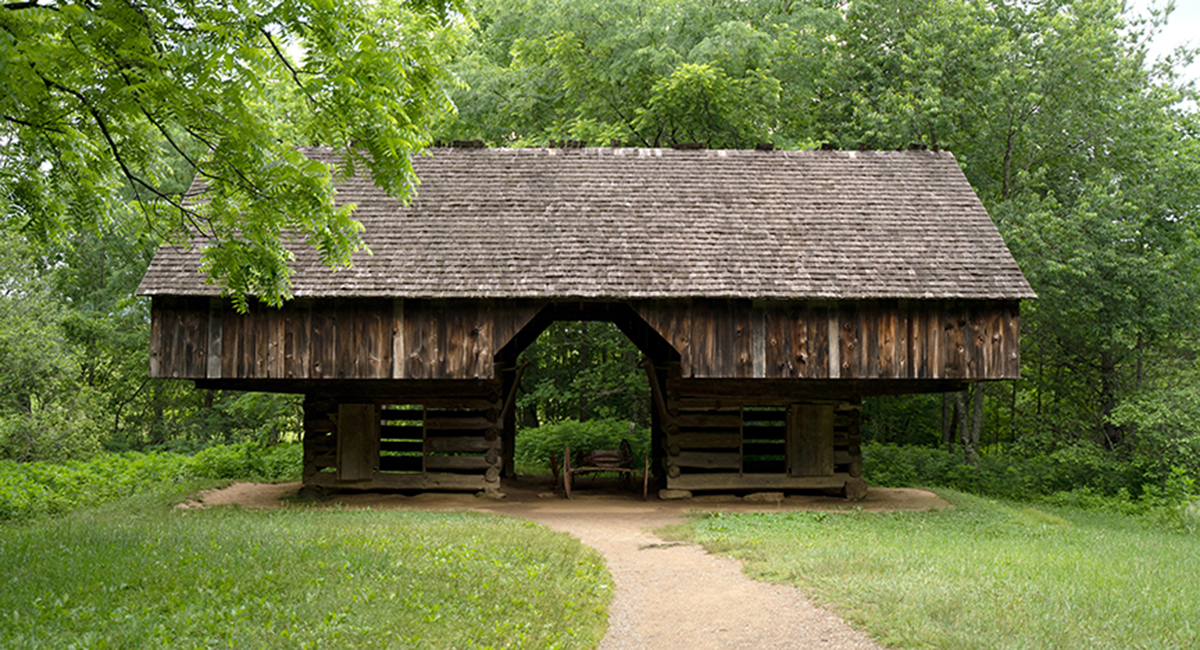
Cades Cove is an 11-mile, one-way loop road through a former farming community, passing preserved log cabins and historic 19th-century pioneer buildings, offering hiking and biking paths with sweeping mountain views along the way. The drive on Cades Cove Loop Road typically takes 2–4 hours, longer during peak fall and summer traffic.
The wide-open valley and lush meadows that fill Cades Cove are considered the best place in the park to spot black bears, white-tailed deer, and wild turkeys, especially in the early morning and evening hours.
Sparks Lane, one of two gravel roads that cut across the middle of the loop, is a favorite stop for photographers and one of the most reliable spots to catch grazing wildlife in the wide-open fields.
Midway through the loop, the Cable Mill Historic area brings the valley’s farming history to life with an operational grist mill and a working blacksmith shop. There is also the Cades Cove Visitor Center nearby, offering restrooms, a bookstore, and parking passes.
Insider tip: Cades Cove offers motorized-vehicle-free days every Wednesday from May 6 to Sept. 30 so visitors can explore the area with no motorized traffic.
Explore Hiking Trails

Great Smoky Mountains National Park has more than 800 miles of maintained hiking trails ranging from easy strolls to challenging multi-day treks. Alum Cave Trail is a 4.6-mile round-trip hike to Alum Cave Bluffs, featuring Arch Rock and a massive 80-foot concave bluff that climbs roughly 1,200 feet.
Chimney Tops Trail is a steeper 3.8-mile path leading to a rocky overlook roughly 1,200 feet above the trailhead. Abrams Falls offers a 5-mile trail lined with beautiful geological structures that leads to a rushing 25-foot waterfall and a deep scenic basin (swimming is not recommended).
These three trails only scratch the surface. The full hiking trail guide breaks down every trail in the park by distance, difficulty, and elevation gain, so you can build a route that matches exactly how much ground you want to cover.
Hike to See Waterfalls
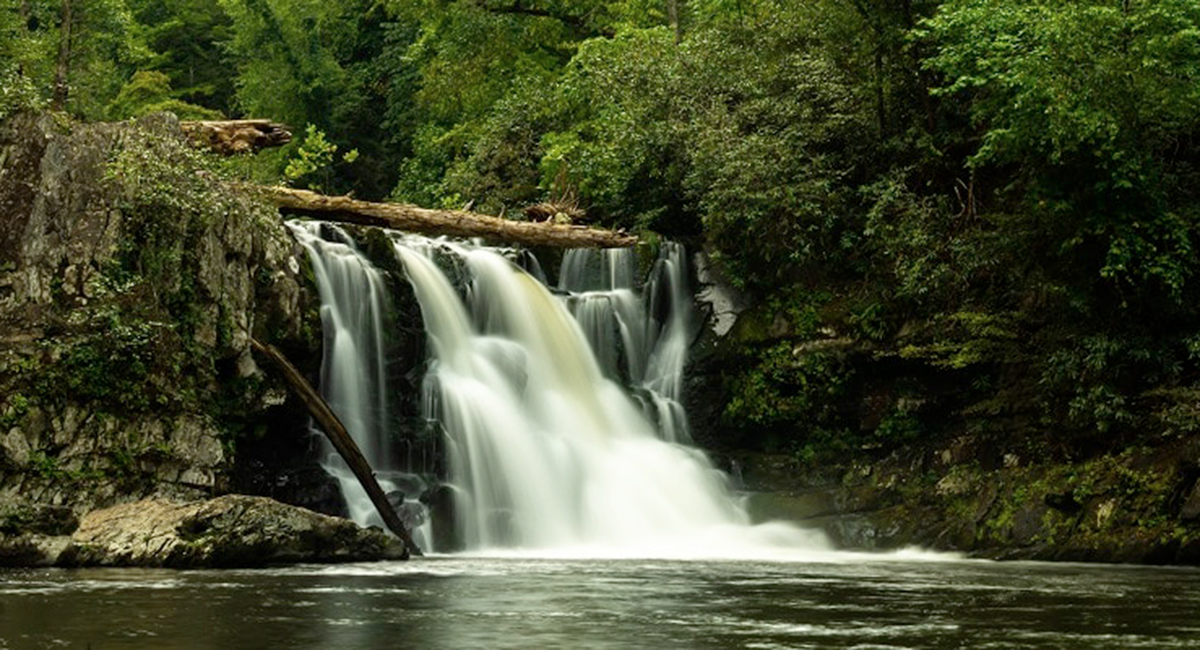
Great Smoky Mountains National Park has many hiking trails that lead to four of the park’s most-visited waterfalls, including:
Laurel Falls
This easy, 2.6-mile round-trip trail follows a paved path to an 80-foot waterfall. The paved surface of Laurel Falls makes it the most manageable option in the park for families with young kids.
Grotto Falls
The only trail in the park that passes behind a waterfall, Grotto Falls is a moderate 2.6-mile round-trip hike that winds past small streams, offers ample shade, and crosses a small stream before reaching the rushing falls.
Rainbow Falls
This trail is recommended for experienced hikers, with roughly two-thirds of the path crossing large boulders alongside LeConte Creek as it flows down the mountain. Rainbow Falls is considered one of the most dangerous waterfall hikes in the Smokies due to the slippery rocks around the falls.
Baskins Creek Falls
Baskins Creek Falls is an easily accessible 3-mile round-trip trail, and one of eight scenic spots you can visit off the Roaring Fork Motor Nature Trail. With a moderate grade and a few stream crossings, this path is a good next step up for hikers who’ve done Laurel Falls and want fewer crowds.
Go Fishing
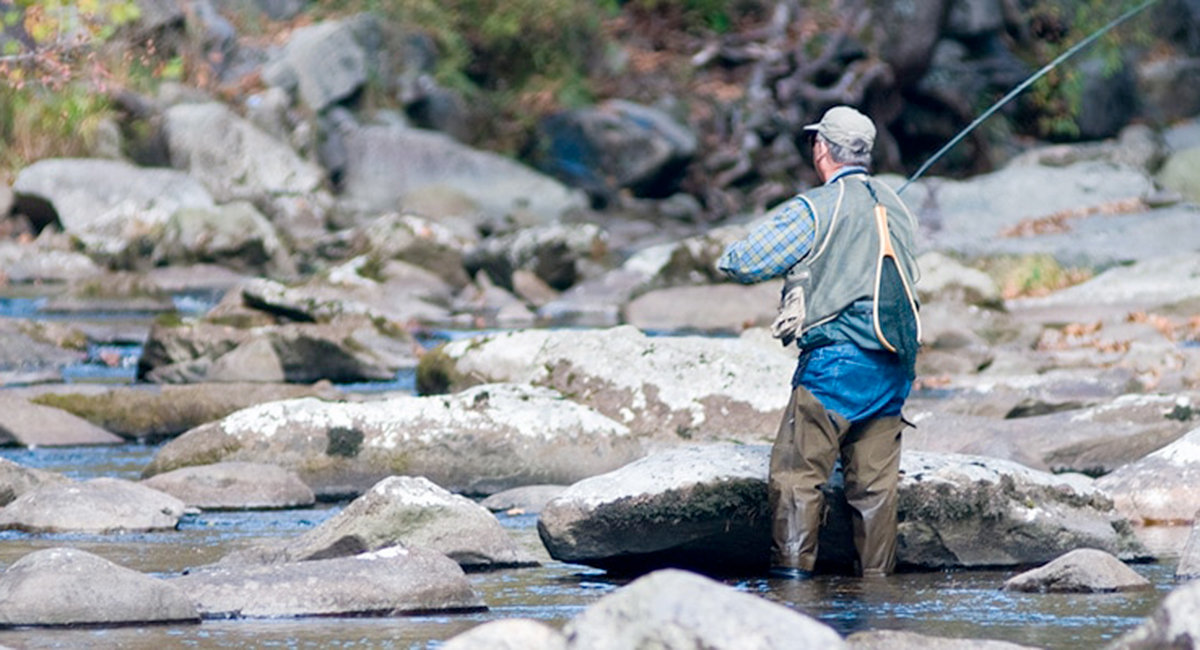
Cast a line into one of the more than 2,900 miles of streams winding through Great Smoky Mountains National Park, and there’s a good chance you’ll have the water mostly to yourself. About 700 to 800 miles of those streams run cold and clear enough to hold healthy populations of brook, rainbow, and brown trout, along with smallmouth bass, making the Smokies one of the most productive wild trout fisheries in the East.
Before fishing in the Smoky Mountains, it’s important to review the regulations and obtain any necessary permits or licenses. See our full fishing guide for current regulations.
View Wildlife
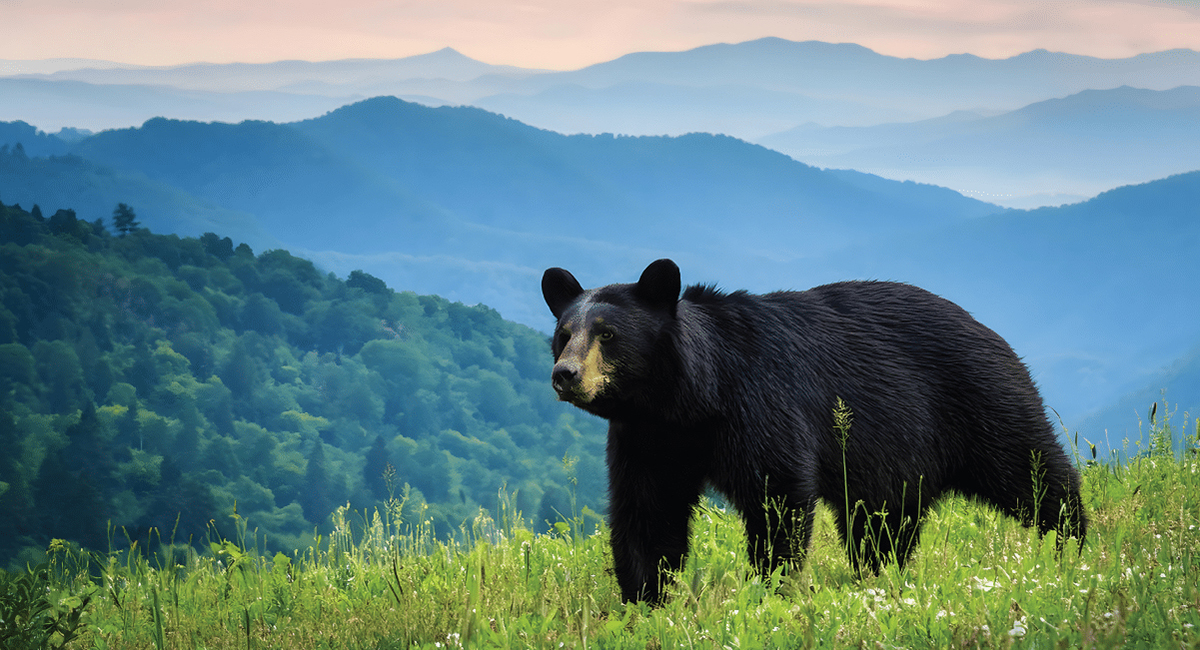
The Great Smoky Mountains are home to more than 65 species of mammals, including black bears, white-tailed deer, elk, groundhogs, coyotes, and bobcats. The Smokies also house over 200 bird species, and hundreds of fish, reptile, and amphibian species, making it one of the highest concentrations of biodiversity in the country.
Early mornings and evenings are the most active periods for wildlife viewing, especially the black bear, with over 1,500 bears living in Great Smoky Mountains National Park. Cataloochee Valley, Cades Cove, and the Oconaluftee area offer open meadows and rolling fields with the best visibility to easily spot elk and white-tailed deer.
Insider tip: Keep a safe distance from all wildlife, including bears, which can appear anywhere in the park. Check out our guide to animal warnings and wildlife safety.
Hike to See Wildflowers
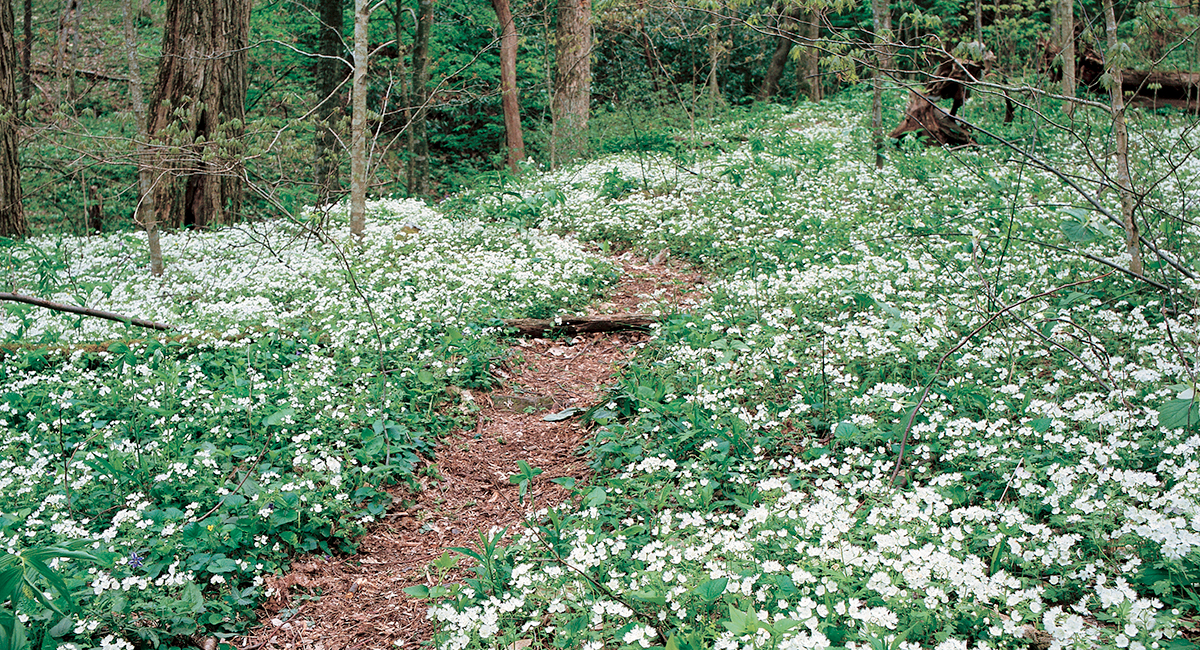
More than 1,500 different kinds of flowering plants grow throughout Great Smoky Mountains National Park, with a handful of trails turning into true wildflower corridors each spring. The wildflower season runs from late March through early May, peaking in mid-to-late April.
Several species of blooming wildflowers that typically reach their peak during May include foam flower, rue anemone, yellow trillium, painted trillium, Catesby trillium, and little brown jugs. Ephemerals like daffodils, jonquils, chickweed, and violets start blooming in late winter, sometimes as early as February.
In Cades Cove, Gregory Bald and Schoolhouse Gap Trail wind through open fields and hardwood forest dotted with color from the valley floor up into the hills. Over in the Elkmont area, Little River Trail follows the water’s edge, where blooms cluster along the mossy banks.
And in the Greenbrier area, Porters Creek Trail is often considered one of the richest wildflower walks in the entire park, with drifts of trillium, phacelia, and other spring ephemerals crowding both sides of the path.
See the Fall Foliage
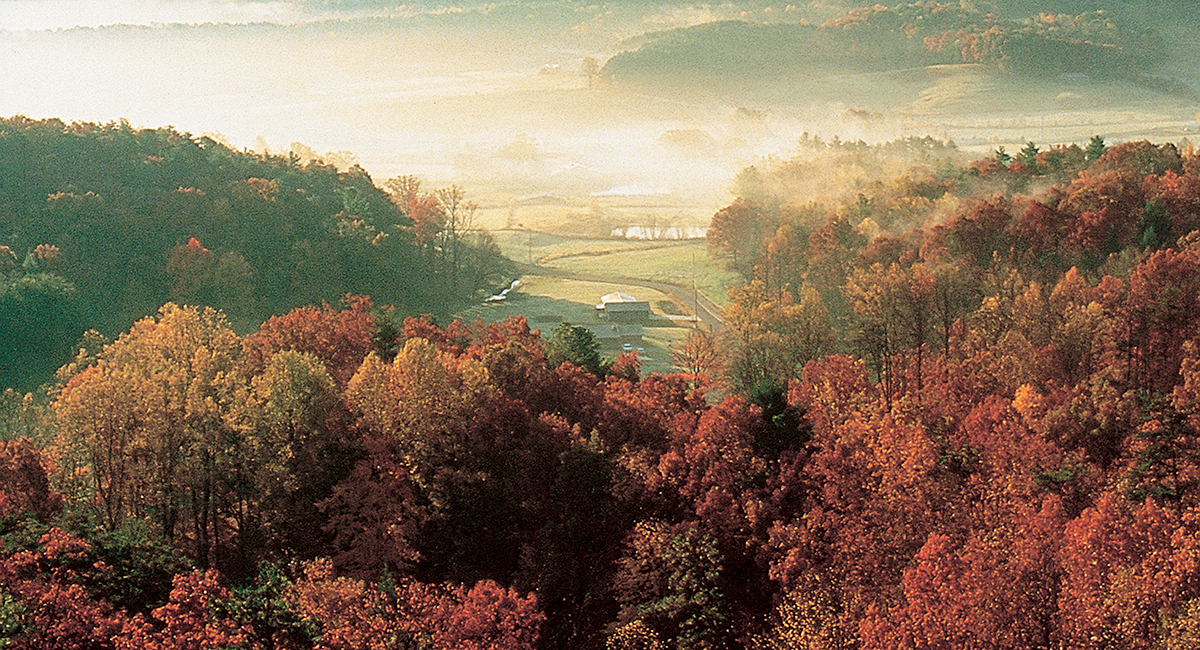
Fall foliage in the Smokies typically peaks from late September to early November when trees trade their vibrant summer greens for the rich reds, oranges, and yellows of autumn. Early color-changers include American Beech, Yellow Birch, Hobblebush, Pin Cherry, and Mountain Maple. Sugar Maple, Sweetgum, Red Maple, Scarlet Oak, and Hickory typically turn later in the season, as color moves down from higher elevations.
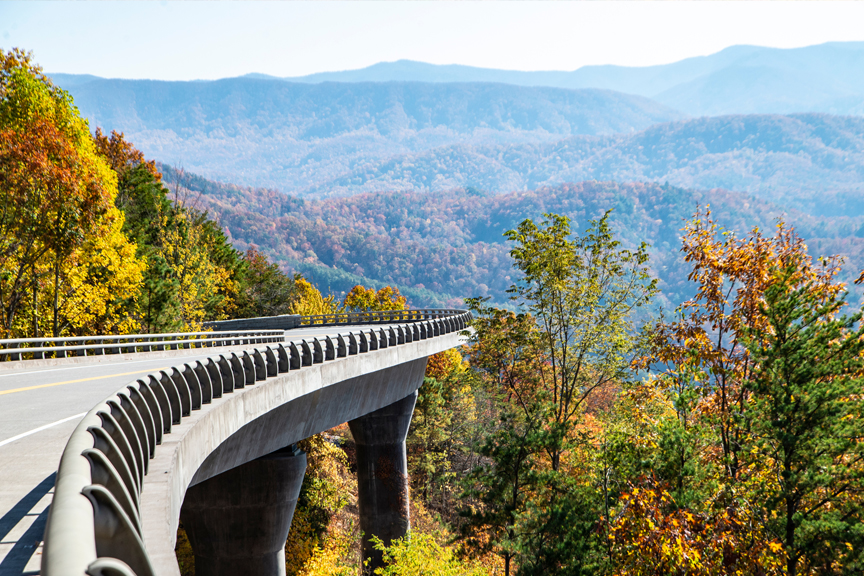
Newfound Gap Road and the observation deck at Kuwohi (formerly known as Clingmans Dome) offer some of the best vantage points for the fall color change. Many hiking trails throughout the park offer great views of the fall foliage as well, including Abrams Falls Trail, Chimney Tops Trail, and Laurel Falls Trail.
Take In the Views on a Scenic Drive
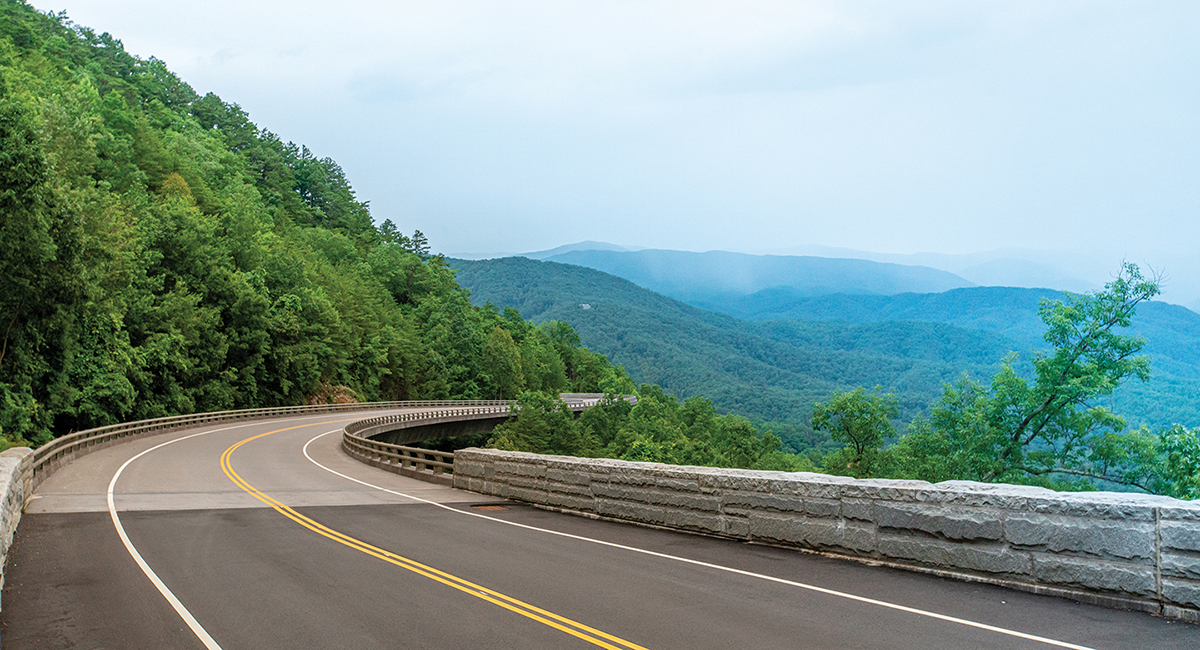
With several scenic drives in Great Smoky Mountains National Park winding past waterfalls, wildflower meadows, and mountain vistas, taking to the road is one of the most popular ways to experience the Smokies.
Roaring Fork Motor Nature Trail
Roaring Fork Motor Nature Trail threads through dense forest and past tumbling mountain streams on a narrow, winding one-way loop near Gatlinburg, especially popular during the fall.
Newfound Gap Road
Newfound Gap Road climbs through the heart of the park for roughly 31 miles between Gatlinburg and Cherokee, NC, gaining elevation until you’re standing at 5,046 feet with ridgelines stretching out in both directions.
Cades Cove Loop Road
Cades Cove Loop Road runs along 11 miles of open valley, with pull-offs where the mountains rise on all sides of the historic farmland below.
Upper Tremont Road
Upper Tremont Road near Wears Valley runs alongside the Middle Prong of the Little River, with pull-offs for a streamside picnic and access to the Middle Prong Trailhead for those who want to continue on foot to nearby waterfalls.
Have a Picnic
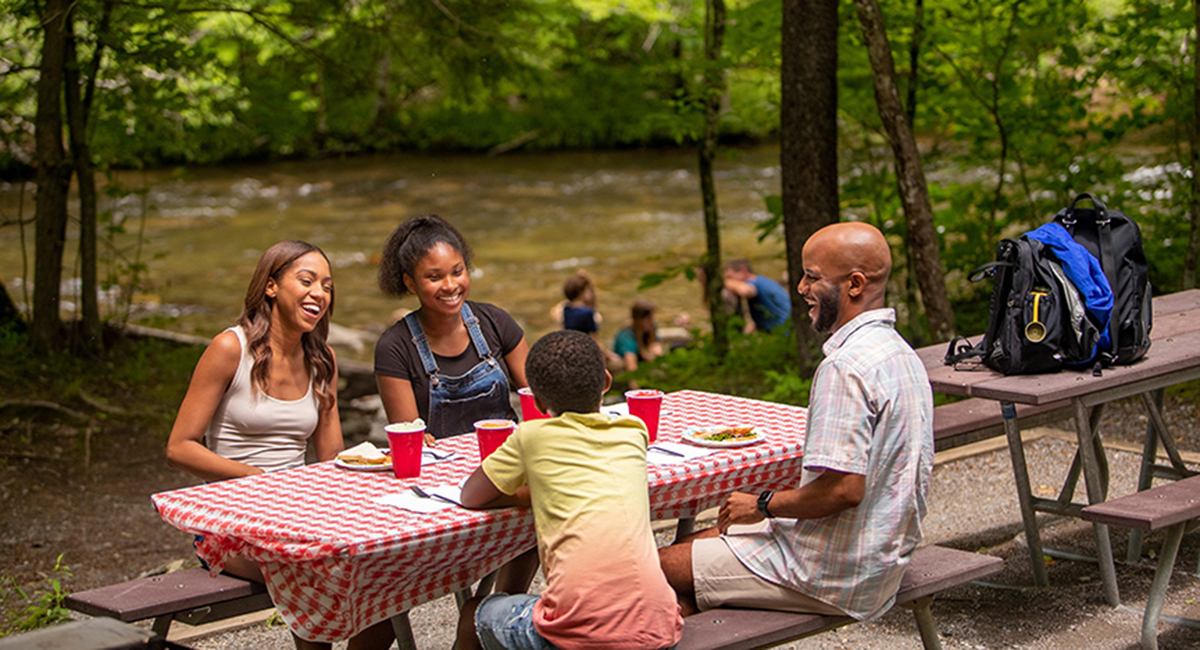
Great Smoky Mountains National Park has several designated picnic areas where visitors can enjoy a meal streamside or under the lush, mountain canopy. Cades Cove sits in the open valley with mountains rising on every side, Deep Creek and Greenbrier both border rushing mountain streams, and Metcalf Bottoms offers shaded tables along the Little River.
All four stay open year-round, each equipped with tables and grills, and several have group pavilions that can be reserved up to a year in advance.
Insider tip: Find picnic areas on the park maps in the Sugarlands Visitor Center or from the park website. Pavilions can be reserved for groups one year in advance by calling (877) 444-6777 or online at recreation.gov.
Take in the Views at Scenic Overlooks
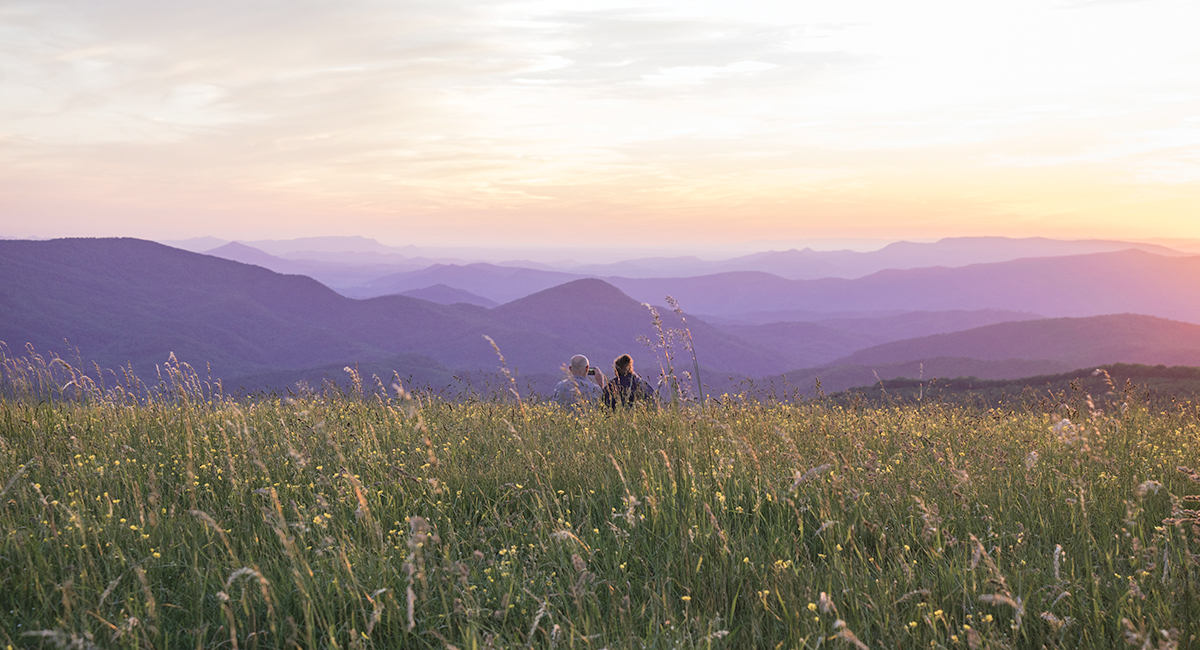
Many scenic overlooks scattered throughout Great Smoky Mountains National Park offer breathtaking views of the surrounding mountains, valley, and forests. Kuwohi (formerly Clingmans Dome) tops out at 6,643 feet, the highest point in the park, where an observation tower places both Tennessee and North Carolina in view at once. Newfound Gap offers that same dual-state vantage point at a lower elevation, without the climb up the tower.
Beyond those two, Campbell Overlook, Chimney Tops Overlook, and Morton Overlook (situated along Newfound Gap Road), each offering their own angle on the ridgelines, while Oconaluftee Valley Overlook, Cades Cove, and Andrews Bald look out over open farmland and grassy meadows instead of mountain peaks.
See our guide to the best scenic overlooks for more information.
Go Camping
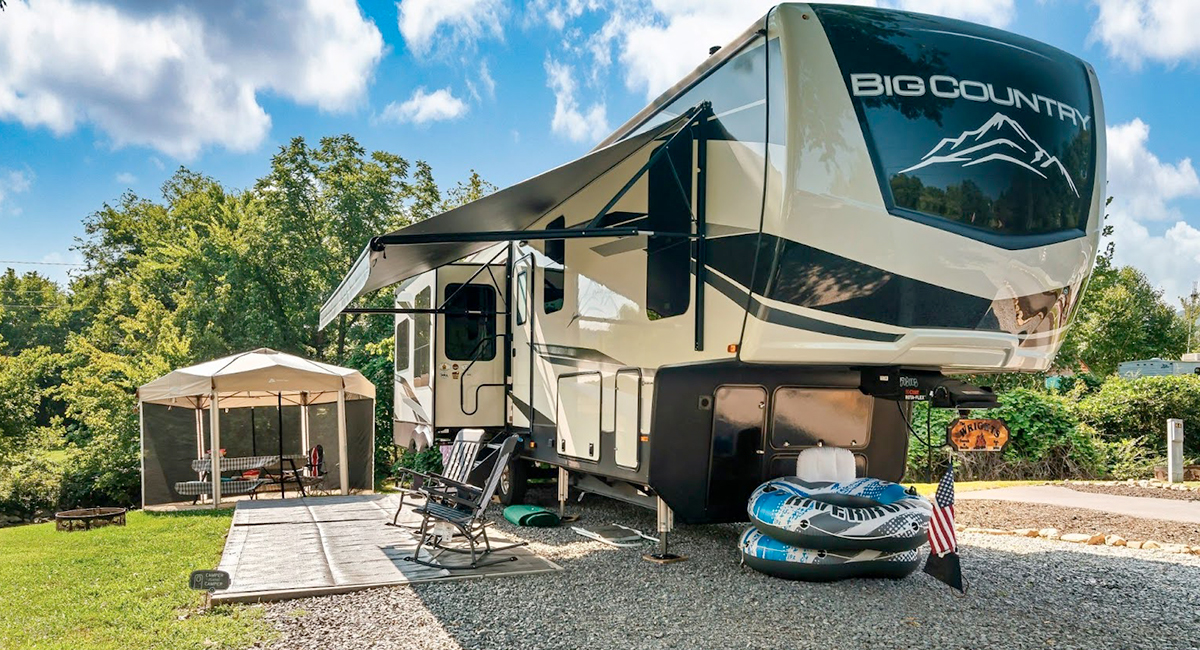
Great Smoky Mountains National Park maintains 10 developed frontcountry campgrounds, ranging from the 211-site Elkmont Campground to the 12-site, tent-only Big Creek Campground. Cades Cove and Smokemont are the only two open year-round; the rest, Elkmont, Cosby, Abrams Creek, Big Creek, Cataloochee, Deep Creek, Balsam Mountain, and Look Rock, operate seasonally.
Elkmont, Cades Cove, and Smokemont are among the park’s most popular campgrounds, offering both tent and RV sites; backcountry camping is also available for a more rustic experience.
Every campground has flush toilets, potable water, a fire grate, and a picnic table at each site, but no showers are available anywhere in the park. Only Look Rock Campground offers hookups, with 10 sites providing electric and water access; every other campground is hookup-free.
Reservations are required at all frontcountry campsites, either through Recreation.gov or by calling (877) 444-6777.
Insider tip: Only bring heat-treated, USDA-certified firewood, or collect dead and down wood on site since untreated firewood can carry pests that damage the park’s trees.
Stay in a Cabin
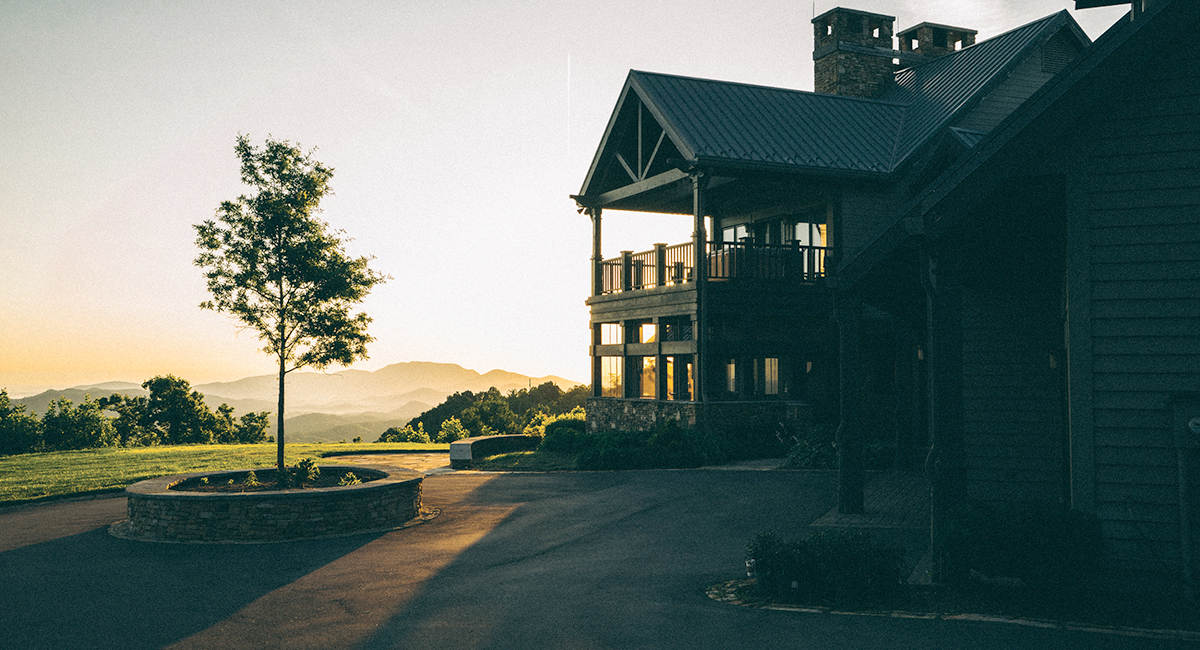
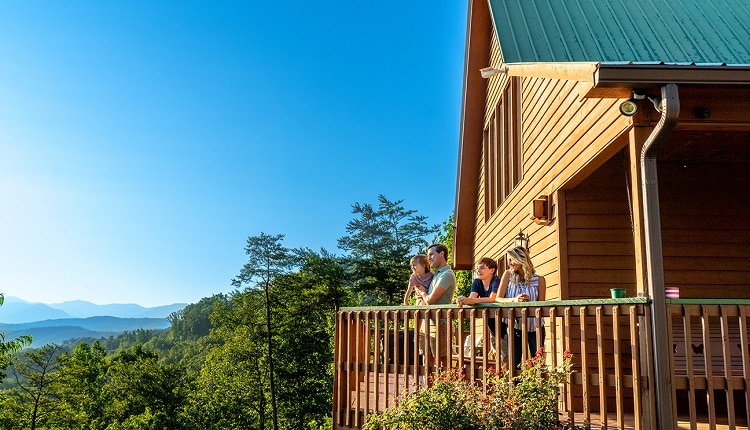
The Smoky Mountains region is a popular destination for outdoor enthusiasts and vacationers, and cabins are among the most popular Smoky Mountain lodging options. Cabins near the park range from cozy one-bedroom rentals to large group properties, many within a short drive of Pigeon Forge attractions and Dollywood. Cabin rentals vary in size and amenities, so you can choose the one that best fits your needs and budget.
Pigeon Forge sits within a short drive of nearly everything on this list, from Cades Cove to the waterfall trails to scenic overlooks, making it a practical home base for exploring Great Smoky Mountains National Park across a multi-day trip. Plan your Pigeon Forge getaway today and discover all there is to do in Great Smoky Mountains National Park.
The Smoky Mountains offer endless possibilities for outdoor adventure!