fbpx

Animals in the Smoky Mountains

The Great Smoky Mountains are home to over 65 species of mammals, more than 200 species of birds, and hundreds of fish, reptiles, and amphibians, offering one of the most biodiverse regions in the country. Whether you’re hoping to spot a black bear, watch white-tailed deer grazing in Cades Cove, or catch a glimpse of a rare salamander, every visit offers a unique chance to spot animals in Pigeon Forge and the Great Smoky Mountains.

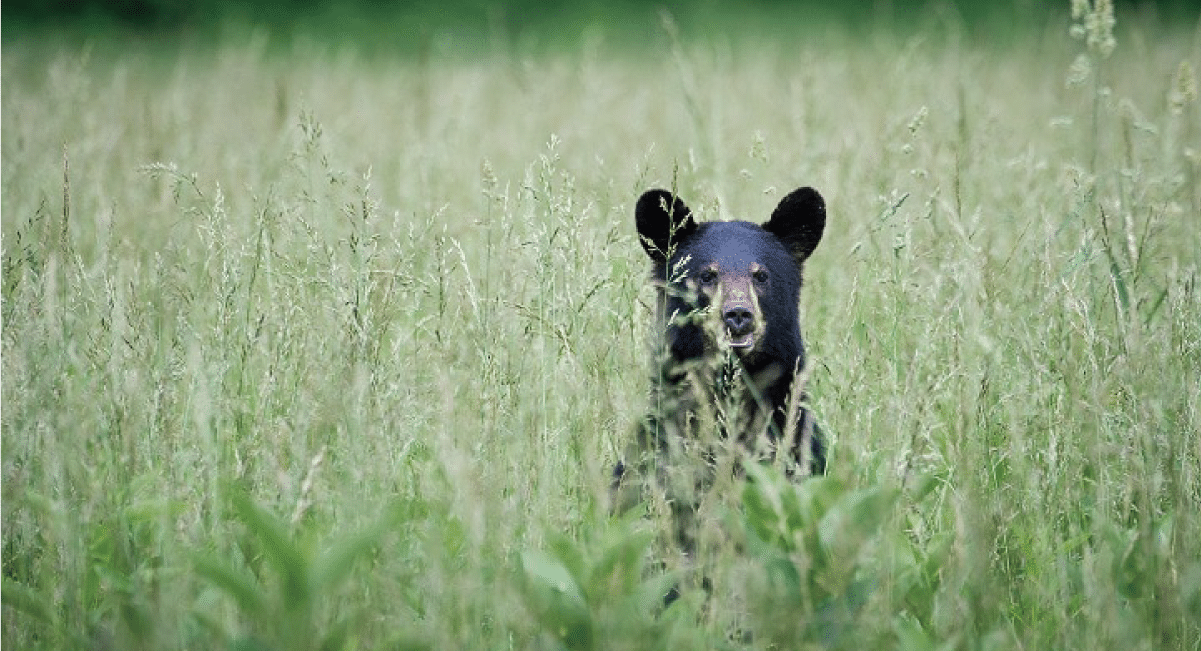
Black Bears in the Smokies

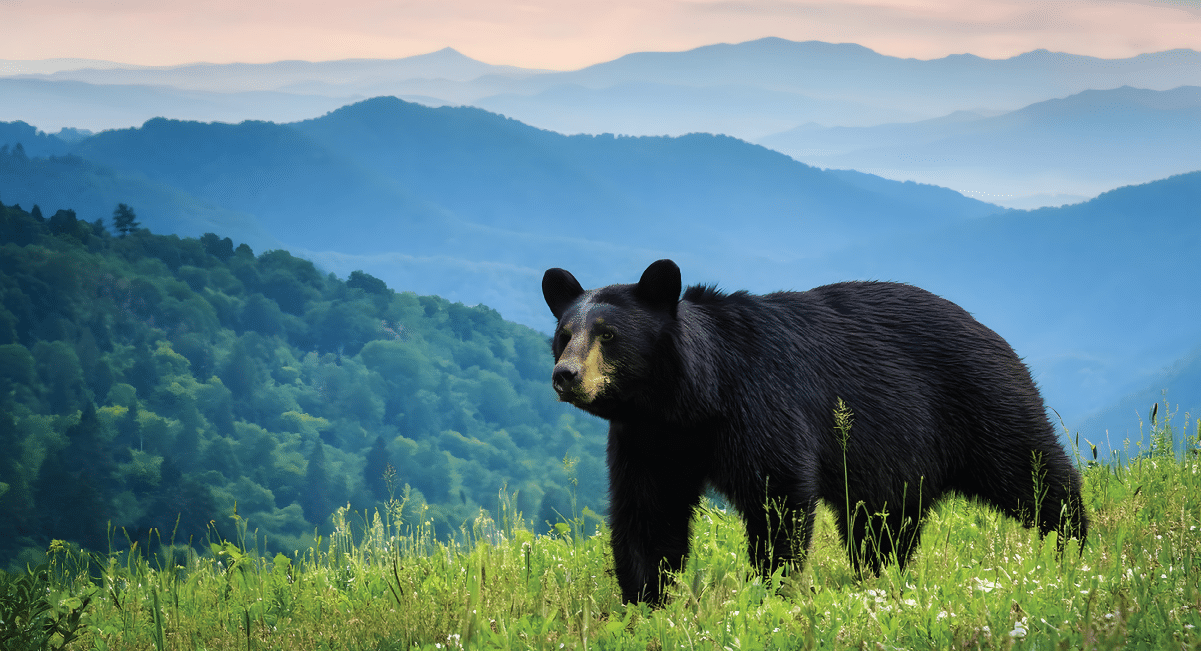
Arguably, the most famous animal in the Smoky Mountains is the black bear. More than 1,500 bears live in Great Smoky Mountains National Park, which averages to about two bears per square mile.

Black bears are most active in late spring and summer, especially early in the morning and late in the evening. Cades Cove is one of the best places to spot a black bear, although they can appear anywhere in the park. Most bear sightings happen from a distance or from vehicles, and should always be treated with caution and respect.

wildlife in the smoky mountains - black bear
wildlife in the smoky mountains - black bears

Black Bear Cautions:

  • Never approach or feed a bear.
  • Approaching within 150 feet of a bear in any way is illegal.
  • Feeding bears can cause them to lose their natural fear of humans, which often leads to dangerous situations.
  • Carry bear spray and know how to use it.
  • Don’t let your dog bark at, harass, chase, or corner a bear.

For more information on bear safety, visit the National Park Service’s page on black bears.
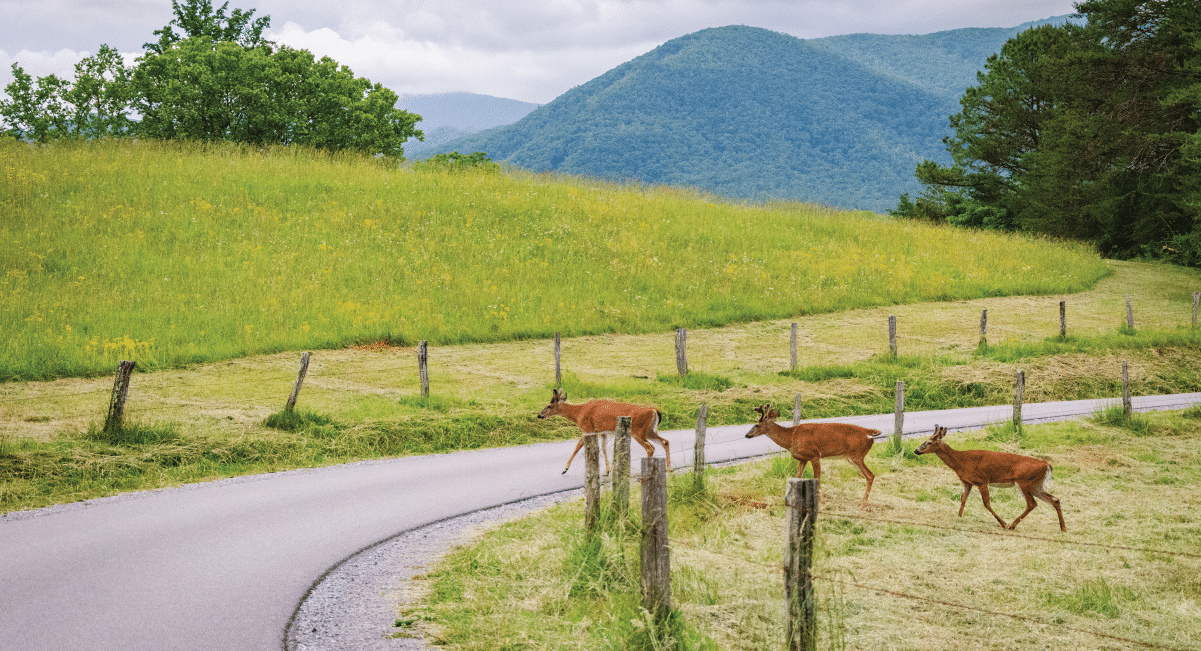
Smoky Mountain White-Tailed Deer

White-tailed deer are among the most commonly seen animals in Pigeon Forge and the Great Smoky Mountains. In summer, they display shiny reddish coats while males grow antlers covered in “velvet,” which they shed in autumn to reveal the familiar white antlers.

white tailed deer in the smoky mountains
wildlife in the smoky mountains - white tailed deer

After the mating season, the antlers fall off and regrow each year, often fuller than before. Most fawns are born in late June and can be recognized by their white spots, which serve as camouflage and defense against predators, making a glimpse of a doe with her young one of the park’s most memorable sights.

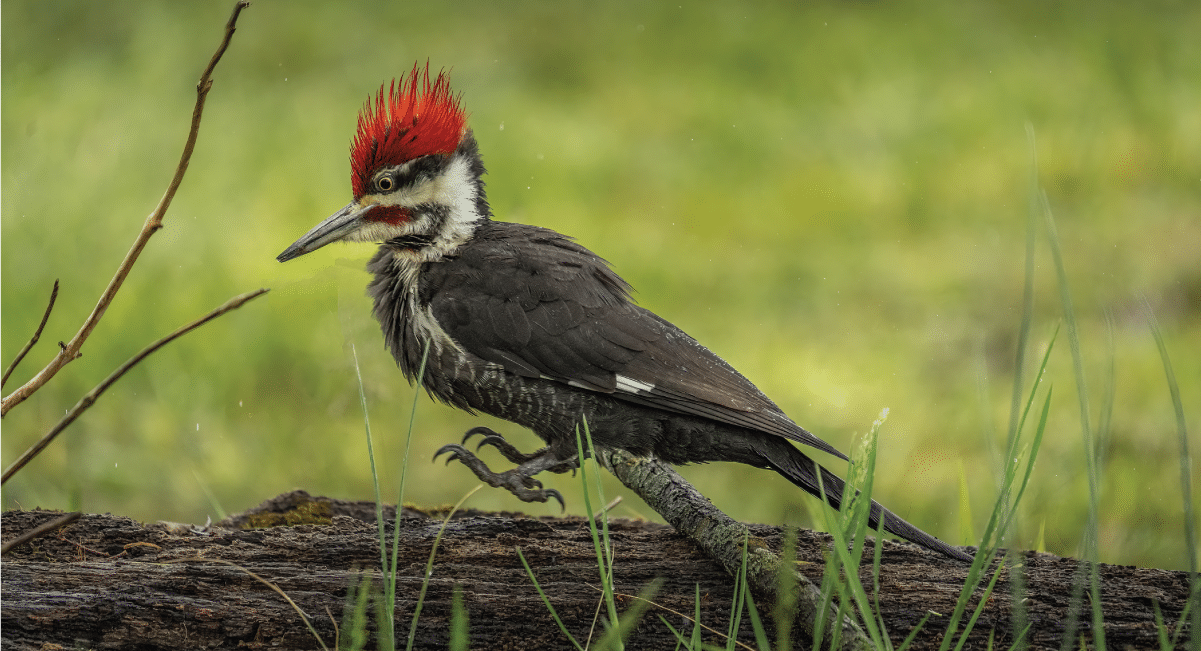
Birds of the Smokies

birds in the smoky mountains

Over 200 species of birds are regularly sighted in the park, and 85 of those migrate from the Neotropics. Species of Concern, such as the Canada Warbler and Northern Saw-whet Owl, rely on the park for breeding grounds, making it an essential sanctuary for birdlife and a source for repopulating areas outside of the park.

Other Mammals

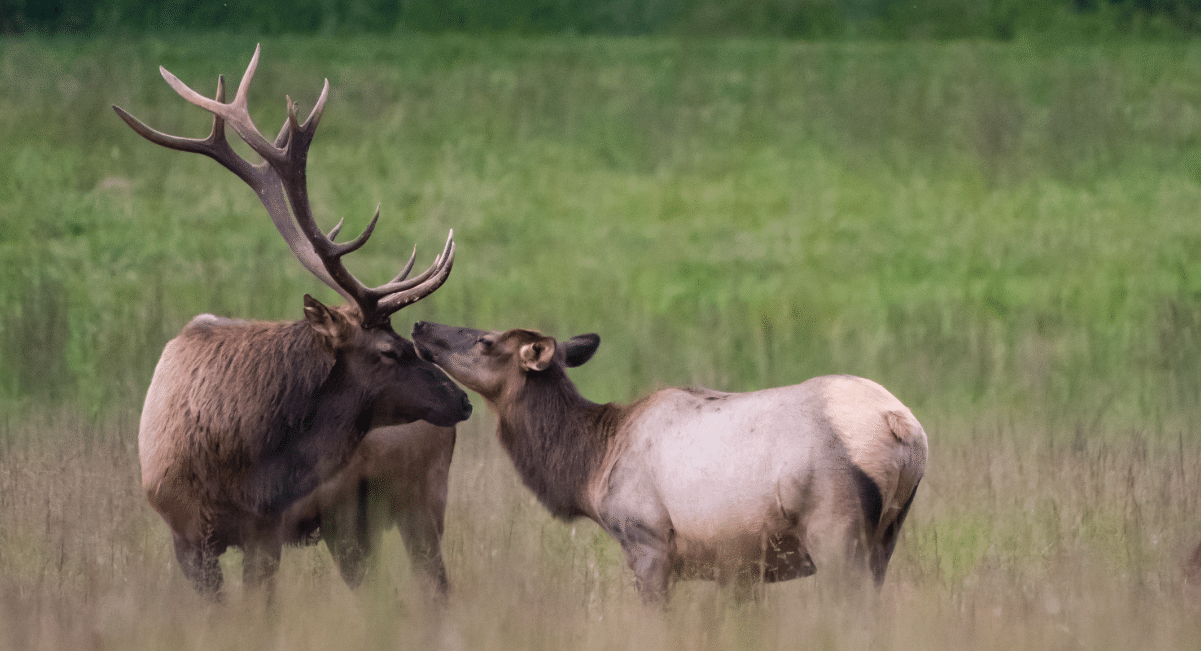
smoky mountain elk wildlife

Visitors often spot elk, chipmunks, groundhogs, and several types of squirrels and bats. The park’s high-elevation areas create unique habitats where northern species of wildlife like the red squirrel, rock vole, and northern flying squirrel thrive.

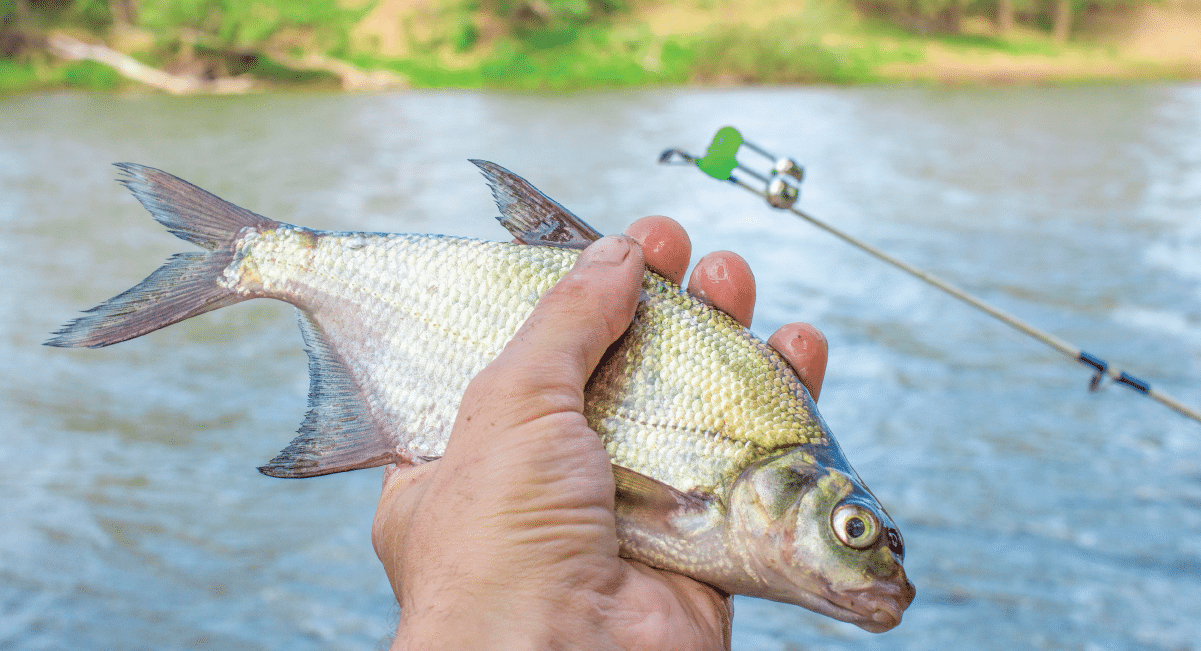
Fish and Aquatic Life

fish in the smoky mountains - trout and fish wildlife

Over 700 miles of streams run through the Smoky Mountains, supporting more than 50 native fish species. Among them is the brook trout, which has been the focus of active conservation efforts. Lower-elevation streams are especially diverse, housing species like the Smoky Madtom and Yellowfin Madtom.

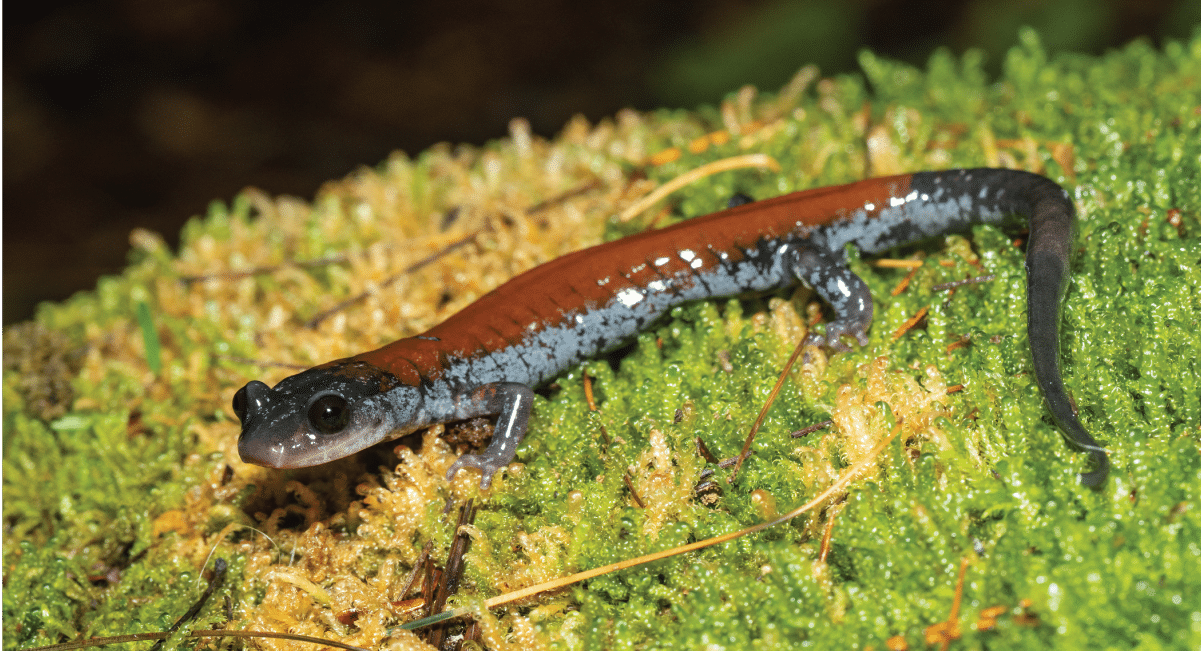
Salamanders: The Park’s Hidden Stars

lungless salamanders - smoky mountain salamander

The Smokies have been called the “Salamander Capital of the World”, with 30 different species found in the park. The region is one of the most diverse areas on earth for lungless salamanders due to climatic and geologic factors that spur the development of the species.

Plan Your Wildlife Adventure

From black bears and white-tailed deer to salamanders and songbirds, the Smoky Mountains are alive with wildlife at every turn. Bring your binoculars, drive through Cades Cove, or hike one of the many scenic trails—you never know what incredible creatures you’ll encounter on your visit.

EXPLORE THE
GREAT SMOKY MOUNTAINS

Scroll to Top

Ask Martha... ×